


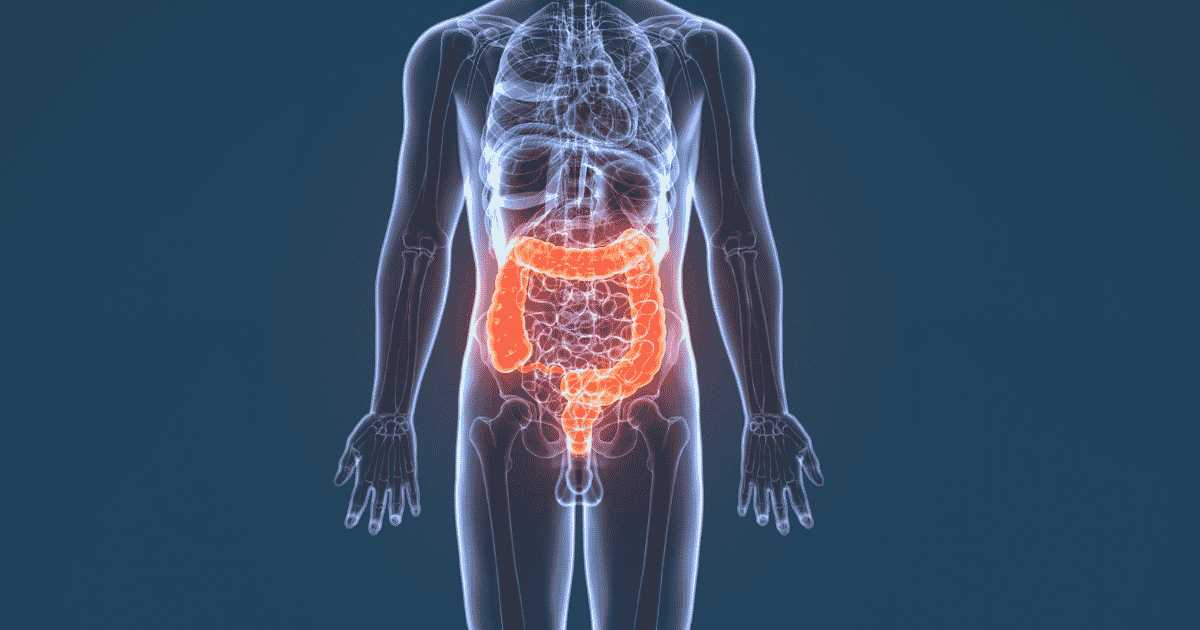
The leaky gut supplements with the strongest human evidence are L-glutamine and probiotics, with zinc-L-carnosine and bovine colostrum close behind. Most of the other ingredients marketed for leaky gut rest on cell or animal studies, which is worth knowing before you spend.
That gap is the whole point of this guide. Plenty of “gut healing” stacks list a dozen ingredients and imply they all work equally well. They don’t. Below, each option is ranked by how strong the actual research is, so you can build a routine around what has been tested in people.
Key Takeaways

The Short Version
L-glutamine and probiotics have the strongest human evidence for supporting the gut barrier, so they’re the place to start.
“Leaky gut” refers to increased intestinal permeability, a real and measurable mechanism, even though “leaky gut syndrome” is not a formal medical diagnosis.
Zinc-L-carnosine and bovine colostrum also have human trial data, while butyrate and curcumin are mostly backed by cell-based research so far.
Look for disclosed doses, the studied form of each ingredient, and third-party testing before you buy.
What Is Leaky Gut, and Is It Real?
Leaky gut means the intestinal barrier has become more permeable than it should be, letting bacterial fragments and other gut contents slip into the bloodstream more easily. The mechanism is real and measurable, but “leaky gut syndrome” as a standalone diagnosis is not currently recognized in mainstream medicine.

The lining of your small intestine is sealed by tight junctions, protein structures that act like adjustable gates between cells. When those junctions loosen, permeability rises. Infections, inflammatory bowel disease, frequent NSAID use, and chronic stress are among the factors that can drive this.
No validated at-home test for leaky gut exists yet, which most supplement pages gloss over. Blood and stool panels marketed as “leaky gut tests” haven’t been shown to diagnose the condition reliably (Lacy 2024). That makes the smarter move supporting barrier health with ingredients that have real data, rather than chasing a number from an unproven test.
How Supplements Support the Gut Barrier
Gut barrier supplements work through a few distinct routes, and knowing which is which explains why some sit higher in the evidence ranking than others.
- Feeding the lining. Some ingredients fuel the cells that make up the intestinal wall, helping them repair and turn over.
- Tightening the junctions. Others help the tight junctions between cells stay closed, which is the direct fix for permeability.
- Calming inflammation. Local inflammation pulls junction proteins out of place, so anti-inflammatory compounds can protect the barrier indirectly.
- Rebalancing the microbiome. A healthier bacterial mix supports the mucus layer and barrier function from the inside.
The strongest ingredients tend to have human trials measuring permeability directly. The weaker ones show the right mechanism in a dish but haven’t been confirmed in people yet.
The Leaky Gut Supplements With the Strongest Evidence
Here is how the most common leaky gut supplements stack up when you sort them by the strength of the research behind them, not by marketing.
| Supplement | Evidence tier | What it does |
|---|---|---|
| L-Glutamine | Human RCT | Fuels gut-lining cells; lowered permeability and symptoms in IBS |
| Probiotics | Meta-analysis of RCTs | Improve barrier markers, lower zonulin and inflammation |
| Zinc-L-Carnosine | Human RCT | Stabilizes the gut lining; blunts NSAID-driven permeability |
| Bovine Colostrum | Human trials | Reduces exercise-induced permeability spikes |
| Vitamin D | Human RCT | Helped maintain barrier integrity in Crohn’s remission |
| Butyrate / Tributyrin | Cell-based | Speeds tight junction assembly via AMPK |
| Curcumin | Cell-based | Protects tight junction proteins from inflammatory disruption |
L-Glutamine
L-glutamine has the strongest single-ingredient human evidence for leaky gut. In a randomized controlled trial of patients with post-infectious, diarrhea-predominant IBS and confirmed hyperpermeability, oral glutamine at 5 g three times daily for 8 weeks normalized intestinal permeability and reduced symptom severity dramatically compared with placebo.
Glutamine is the amino acid that serves as the primary fuel for the cells lining your gut, which is likely why it helps them repair. The 15 g per day used in that trial is higher than many label doses, so the amount matters.
Probiotics
Probiotics have the strongest meta-analytic evidence of any leaky gut supplement. A 2023 systematic review and meta-analysis of 26 randomized trials covering roughly 1,900 people found that probiotics improved gut barrier markers, including lower serum zonulin and endotoxin, and reduced inflammatory markers such as CRP and TNF-alpha.
Most of the trials used Lactobacillus and Bifidobacterium blends. Barrier and symptom improvements often show up within a few weeks, which makes a quality multi-strain probiotic a sensible foundation.
Zinc-L-Carnosine
Zinc-L-carnosine stabilizes the gut lining and has human data behind it. In a randomized crossover trial in healthy volunteers, it prevented the roughly threefold rise in gut permeability that NSAIDs normally cause. A review of zinc-L-carnosine summarizes its role in repairing the gastric and intestinal lining through anti-inflammatory and tissue-repair effects.
It also held up under physical stress. In exercising volunteers, zinc-L-carnosine reduced the permeability spike from heavy exertion, with an added benefit when paired with colostrum. The studied dose is about 37.5 mg twice daily.
Bovine Colostrum
Bovine colostrum reduces the surges in gut permeability that hard exercise causes. In a placebo-controlled crossover trial in athletes, 14 days of colostrum cut the exercise-induced permeability increase by about 80%.
Colostrum is a natural source of growth factors that support the gut lining, and it pairs well with zinc-L-carnosine (Davison 2016). Trials have used 10 to 60 g per day, so effective doses tend to be larger than a single capsule.
Vitamin D
Vitamin D helps maintain the gut barrier, with the clearest data in people who are deficient or have inflammatory bowel disease. In a randomized, double-blind trial in Crohn’s patients in remission, 2,000 IU per day for 3 months helped maintain intestinal permeability, while the placebo group’s barrier measurably worsened.
This one is easy to act on. Checking your vitamin D level and correcting a shortfall supports the barrier alongside the rest of your routine.
Butyrate and Tributyrin
Butyrate is the main fuel for colon cells and a strong barrier signal, though the direct human permeability data is still thin. In cell-based research, butyrate accelerated the assembly of tight junctions by activating AMPK, an energy-sensing pathway inside intestinal cells.
Tributyrin is a butyrate precursor designed to survive digestion and release butyrate further down in the colon, where it’s needed. The mechanism is well established and promising, and human trials measuring permeability directly are the next step worth watching.
Curcumin
Curcumin protects tight junctions from inflammatory damage in laboratory studies. In cell-based research, curcumin blunted the inflammatory signaling that pulls tight junction proteins out of position and weakens the barrier.
Human evidence for curcumin is stronger for IBS and IBD symptoms than for permeability itself. Standard curcumin is also poorly absorbed, so the form on the label matters if you choose to use it.
What to Look for in a Leaky Gut Supplement
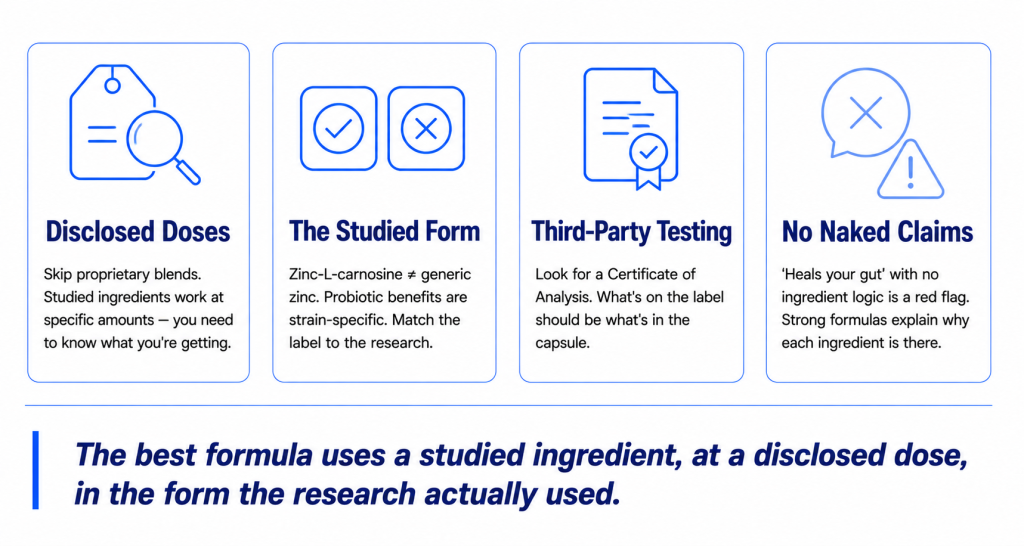
The best leaky gut supplement is the one that uses a studied ingredient, at a disclosed dose, in the form the research actually used. That single standard rules out most of the shelf.
- Disclosed doses. Skip proprietary blends that hide how much of each ingredient you’re getting. The glutamine and zinc-L-carnosine trials worked at specific amounts.
- The studied form. Zinc-L-carnosine is not the same as generic zinc, and probiotic benefits are strain-specific. Match the label to the research.
- Third-party testing. Look for a Certificate of Analysis and independent testing for purity and potency, so what’s on the label is what’s in the capsule.
- No naked claims. “Heals your gut” with no ingredient logic behind it is a red flag. Strong formulas explain why each ingredient is there.
How to Build a Gut Barrier Routine
A practical gut barrier routine pairs a barrier-repair ingredient with a microbiome ingredient, on top of the diet and lifestyle basics. You don’t need a dozen products.
- Barrier repair: L-glutamine, zinc-L-carnosine, or a butyrate source like tributyrin.
- Microbiome: a multi-strain Lactobacillus and Bifidobacterium probiotic.
- Foundations: a whole-food diet, managed stress, moderate exercise, and correcting nutrient gaps like vitamin D.
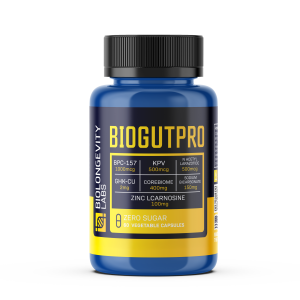
If you’d rather consolidate the barrier-repair side into one formula, BioGutPro combines zinc-L-carnosine and tributyrin, two of the evidence-backed barrier ingredients above, in a single third-party tested capsule. It’s a clean way to cover gut-lining support without juggling several bottles, and every batch is backed by a Certificate of Analysis.
Frequently Asked Questions
How long do leaky gut supplements take to work?
It depends on the ingredient. Probiotic trials often show barrier and symptom improvements within one to four weeks, while the main glutamine trial ran for eight weeks. Give any single product at least a month of consistent use before judging it.
Can supplements heal leaky gut on their own?
Supplements support the barrier, but they work best alongside the cause of the problem. If frequent NSAID use, an untreated infection, high stress, or a poor diet is driving permeability, addressing that matters as much as anything you take.
Is L-glutamine or probiotics better for leaky gut?
They do different jobs, so this isn’t really either-or. Glutamine fuels and helps repair the gut lining, while probiotics rebalance the microbiome and lower inflammation. Many routines use both together.
Are leaky gut supplements safe?
Glutamine, probiotics, and zinc-L-carnosine were all well tolerated in their trials, with low rates of side effects. That said, if you’re pregnant, nursing, taking medication, or managing a condition like inflammatory bowel disease, talk with a clinician before starting, since your situation may call for a tailored approach.
Ready to support your gut barrier with ingredients that have actually been studied? Explore BioGutPro and the rest of the BioLongevity capsule lineup, each one third-party tested and built around transparent, disclosed formulas.
Ask a qualified clinician before starting any supplement if you are pregnant, nursing, taking medication, or managing a medical condition.
These statements have not been evaluated by the Food and Drug Administration. This product is not intended to diagnose, treat, cure, or prevent any disease.
References
[1] Lacy BE, Wise JL, Cangemi DJ. Leaky Gut Syndrome: Myths and Management. Gastroenterol Hepatol (N Y). 2024;20(5):264-272. PubMed
[2] Zhou Q, Verne ML, Fields JZ, et al. Randomised placebo-controlled trial of dietary glutamine supplements for postinfectious irritable bowel syndrome. Gut. 2019;68(6):996-1002. doi:10.1136/gutjnl-2017-315136
[3] Zheng Y, Zhang Z, Tang P, et al. Probiotics fortify intestinal barrier function: a systematic review and meta-analysis of randomized trials. Front Immunol. 2023;14:1143548. doi:10.3389/fimmu.2023.1143548
[4] Mahmood A, FitzGerald AJ, Marchbank T, et al. Zinc carnosine, a health food supplement that stabilises small bowel integrity and stimulates gut repair processes. Gut. 2007;56(2):168-175. doi:10.1136/gut.2006.099929
[5] Hewlings S, Kalman D. A Review of Zinc-L-Carnosine and Its Positive Effects on Oral Mucositis, Taste Disorders, and Gastrointestinal Disorders. Nutrients. 2020;12(3):665. doi:10.3390/nu12030665
[6] Davison G, Marchbank T, March DS, Thatcher R, Playford RJ. Zinc carnosine works with bovine colostrum in truncating heavy exercise-induced increase in gut permeability in healthy volunteers. Am J Clin Nutr. 2016;104(2):526-536. doi:10.3945/ajcn.116.134403
[7] Marchbank T, Davison G, Oakes JR, et al. The nutriceutical bovine colostrum truncates the increase in gut permeability caused by heavy exercise in athletes. Am J Physiol Gastrointest Liver Physiol. 2010;300(3):G477-G484. doi:10.1152/ajpgi.00281.2010
[8] Raftery T, Martineau AR, Greiller CL, et al. Effects of vitamin D supplementation on intestinal permeability, cathelicidin and disease markers in Crohn’s disease. United European Gastroenterol J. 2015;3(3):294-302. doi:10.1177/2050640615572176
[9] Peng L, Li ZR, Green RS, Holzman IR, Lin J. Butyrate enhances the intestinal barrier by facilitating tight junction assembly via activation of AMP-activated protein kinase in Caco-2 cell monolayers. J Nutr. 2009;139(9):1619-1625. doi:10.3945/jn.109.104638
[10] Wang J, Ghosh SS, Ghosh S. Curcumin improves intestinal barrier function: modulation of intracellular signaling, and organization of tight junctions. Am J Physiol Cell Physiol. 2017;312(4):C438-C445. doi:10.1152/ajpcell.00235.2016