


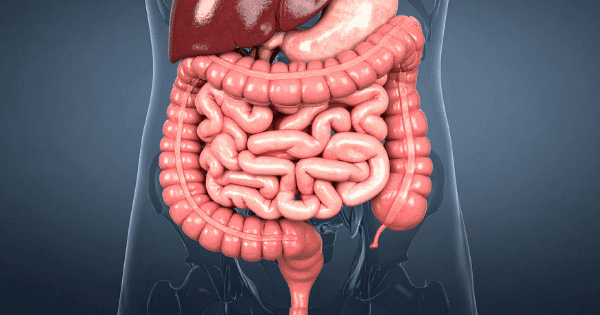
A tributyrin supplement is a concentrated, stable source of butyrate, the short-chain fatty acid your gut bacteria normally make when they ferment fiber. It matters because butyrate is the main fuel for the cells lining your colon, and most plain butyrate supplements break down long before they get there.
Tributyrin solves a delivery problem. Instead of feeding your colon butyrate directly, it carries butyrate in a fat-based form that survives the stomach and releases further down the gut.
That single design difference is why tributyrin keeps showing up in gut-health formulas. The evidence behind it is promising, but it’s also younger and more mixed than most product pages admit. This guide walks through what tributyrin is, how it works, what the research supports so far, and what to check before you buy.
Key Takeaways

The Short Version
A tributyrin supplement is a stable, fat-based form of butyrate designed to deliver more of it to the colon than standard butyrate.
Butyrate is the primary energy source for the cells that line the colon, which is why colon delivery matters more than blood levels.
Most current evidence comes from lab and animal studies, with early human data on oral tributyrin still emerging.
Look for the clinically studied CoreBiome form, a clear dose, third-party testing, and a Certificate of Analysis.

What Is Tributyrin?
Tributyrin is a triglyceride made of three butyrate molecules attached to a glycerol backbone. It’s found naturally in butter, and it acts as a precursor, or prodrug, that releases butyrate once it reaches the intestine.
Butyrate itself is a short-chain fatty acid (SCFA). Your gut bacteria produce it in the colon by fermenting dietary fiber and resistant starch.
Here’s why that butyrate matters so much. It’s the preferred energy source for colonocytes, the cells lining the colon wall (Christiansen 2018). When those cells are well fed, they support a stronger gut barrier and a more balanced local environment.
The problem is supply. Fiber intake is low for most people, and butyrate produced in the colon gets used up fast. A tributyrin supplement is one way to add more butyrate to the system without relying on diet alone.
How Tributyrin Gets Butyrate Past Your Stomach
Tributyrin’s main advantage is stability. It resists gastric acid and stays intact through the upper digestive tract, then pancreatic lipase enzymes cleave it to release free butyrate further down (Duysburgh 2025).
Plain butyrate, by contrast, is absorbed almost entirely in the small intestine. Very little of an unprotected oral dose reaches the colon, which is exactly where the fuel is needed (Duysburgh 2025).

Lab work on the branded CoreBiome form helps quantify this. In a simulated model of the human gut, roughly half of a tributyrin dose stayed stable through the upper tract and remained available to enter the colon, while the rest was converted to butyrate earlier in the small intestine (Duysburgh 2025).
In that same model, three weeks of daily tributyrin raised butyrate levels and increased several beneficial bacteria, including Bifidobacterium and Akkermansia muciniphila (Duysburgh 2025). These were laboratory simulations, not human outcomes, but they show the delivery concept working as intended.
Tributyrin vs. Sodium Butyrate: The Bioavailability Paradox
Tributyrin and sodium butyrate both raise butyrate in the gut, but they behave very differently, and the comparison hides a paradox worth understanding.
Sodium butyrate is absorbed quickly and produces a faster, higher spike of butyrate in the bloodstream. If you measure bioavailability by blood levels, that looks like an advantage.
But for gut health, blood levels aren’t the goal. You want butyrate reaching colonocytes locally. Sodium butyrate’s rapid absorption means little of it survives to the colon, while tributyrin’s slower release keeps more butyrate available where the gut lining can use it (Duysburgh 2025).
There’s also a practical difference most people notice immediately: smell. Sodium butyrate is known for a strong rancid odor, while tributyrin is largely odorless, which makes it far easier to take consistently.
| Factor | Tributyrin | Sodium Butyrate |
|---|---|---|
| Form | Fat-based triglyceride (3 butyrate + glycerol) | Butyrate salt |
| Stability in stomach | High, resists gastric acid | Low without coating |
| Where butyrate is released | More reaches the colon | Mostly small intestine |
| Blood butyrate spike | Lower and slower | Faster and higher |
| Odor and tolerability | Largely odorless | Often a strong odor |
| Best suited for | Local colon and gut-barrier support | Rapid systemic butyrate |
The takeaway is simple. A lower blood spike from tributyrin isn’t a weakness for gut health. It often reflects more butyrate staying in the gut, which is the whole point of taking it.
What the Research Actually Shows
Here’s the honest picture: tributyrin’s gut-health rationale is strong mechanistically, but the human clinical evidence is still early. Most of what we know comes from lab models and animal studies.
Being clear about that is the point. A supplement can be promising and still be early-stage, and treating those as the same thing is how the industry overpromises.
The evidence breaks down into tiers:
- Lab and gut-simulation research. The CoreBiome studies show tributyrin surviving upper-gut transit, raising butyrate, supporting the intestinal barrier, and shifting the microbial community in a favorable direction (Duysburgh 2025).
- Animal research on the gut barrier. In mice, tributyrin helped protect intestinal barrier integrity during a stress challenge and supported a more balanced immune response in the gut lining. Related work on butyrate glycerides found support for tight-junction structure and lower inflammatory signaling.
- Early human research. A small 2025 open-label study tested oral tributyrin at 500 mg three times daily in older adults. It was well tolerated with high adherence, and PET imaging confirmed the oral dose raised butyrate availability in target tissues, with signs of a systemic anti-inflammatory effect.
One more thread is worth flagging because it points to where research may go next. In animal studies, tributyrin and butyrate have been linked to more non-REM sleep through a gut-to-brain signaling route. That’s preliminary and animal-based, but it reflects how widely butyrate appears to act beyond the gut.
What’s still missing are large, placebo-controlled human trials measuring gut outcomes directly. Until those exist, tributyrin is best described as evidence-informed and mechanistically sound, not clinically proven for specific results.
Potential Benefits of a Tributyrin Supplement
Based on current research, a tributyrin supplement is designed to support gut function through butyrate delivery. The strongest support is for the mechanisms below, with the evidence tiers noted above.
- Supports gut barrier function. Butyrate fuels colonocytes and helps maintain the intestinal lining, the basis for the barrier support seen in lab and animal work (Christiansen 2018; Siddiqui 2024).
- Supports a balanced gut microbiome. In gut-simulation models, tributyrin increased beneficial bacteria and butyrate production (Duysburgh 2025).
- Supports a balanced inflammatory response in the gut. Animal and cell research links butyrate to lower inflammatory signaling in the intestinal lining (Siddiqui 2024; Wang 2022).
- Supports healthy digestion as part of a routine. By delivering butyrate where the colon can use it, tributyrin complements fiber rather than replacing it.

Notice the language. These are support claims tied to mechanism and evidence tier, not promises to treat or fix anything. That distinction matters in a category where the human data is still maturing.
What to Look for in a Tributyrin Supplement
Not every tributyrin product is built the same way. A few details separate a serious formula from a label that just lists the ingredient.
| What to check | Why it matters |
|---|---|
| Clinically studied form | The CoreBiome form is the version with published gut-simulation data behind it (Duysburgh 2025) |
| Clear dose per serving | You want the actual tributyrin amount listed, not buried in a proprietary blend |
| Delivery format | Liquid-filled capsules or softgels help keep the oil-based ingredient stable |
| Odor control | A well-formulated tributyrin product should be close to odorless |
| Third-party testing | Independent testing confirms purity and potency |
| Certificate of Analysis | A COA lets you verify what’s actually in the bottle |
If a product hides its tributyrin dose inside a blend, or skips testing documentation, treat that as a reason to look elsewhere. Transparency is the easiest quality signal to check.
How to Take Tributyrin
Most tributyrin supplements are taken once or twice daily, and the early human study used 500 mg three times daily (Bohnen 2025). Follow your product’s label unless a clinician advises otherwise.
A few practical notes can help:
- Take it with a meal. Tributyrin is released by fat-digesting enzymes, so food, especially a meal with some fat, supports that process.
- Be consistent. Gut and microbiome changes build over weeks, not days. Give any routine a fair trial before judging it.
- Pair it with fiber. Tributyrin adds butyrate, but dietary fiber still feeds your own butyrate-producing bacteria. The two work together.
Ask a qualified clinician before starting any supplement if you are pregnant, nursing, taking medication, or managing a medical condition.
Frequently Asked Questions
Is tributyrin the same as butyrate?
Not exactly. Tributyrin is a fat-based precursor that releases butyrate in the intestine. It carries three butyrate molecules per molecule of tributyrin and is more stable through the stomach than free butyrate.
Is a tributyrin supplement a postbiotic?
Yes. Butyrate is a postbiotic, meaning a beneficial compound that gut bacteria normally produce. Tributyrin is a way to supplement that postbiotic directly rather than relying only on fiber fermentation.
Does tributyrin smell bad like sodium butyrate?
Generally no. One of tributyrin’s main practical advantages is that it’s largely odorless, which makes it much easier to take consistently than many sodium butyrate products.
How long does tributyrin take to work?
There’s no established timeline from human trials. Because microbiome and gut-lining changes develop gradually, most routines are given several weeks of consistent use before any assessment.
Is tributyrin safe?
In an early human study, oral tributyrin was well tolerated with high adherence (Bohnen 2025). As with any supplement, talk to a clinician first if you are pregnant, nursing, on medication, or managing a health condition.
Can I take tributyrin with other gut supplements?
Tributyrin is often combined with other gut-support ingredients in formulas. If you take multiple products or medications, check with a clinician to avoid overlap or interactions.
Final Takeaway
A tributyrin supplement is a smart way to deliver butyrate where your gut can use it, and the mechanism is well supported even as the human clinical evidence keeps developing. The honest framing is that it’s promising and evidence-informed, not a guaranteed fix.
BioLongevity’s BioGutPro uses the clinically studied CoreBiome tributyrin alongside other gut-barrier ingredients, with third-party testing and a Certificate of Analysis behind every batch. If you want butyrate support built into a transparent gut formula, it’s a practical place to start.
Ask a qualified clinician before starting any supplement if you are pregnant, nursing, taking medication, or managing a medical condition.
These statements have not been evaluated by the Food and Drug Administration. This product is not intended to diagnose, treat, cure, or prevent any disease.
References
[1] Christiansen CB, Gabe MBN, Svendsen B, Dragsted LO, Rosenkilde MM, Holst JJ. The impact of short-chain fatty acids on GLP-1 and PYY secretion from the isolated perfused rat colon. American Journal of Physiology-Gastrointestinal and Liver Physiology. 2018;315(1):G53-G65. doi:10.1152/ajpgi.00346.2017
[2] Duysburgh C, Verstrepen L, Van Meulebroek L, Marzorati M. Tributyrin (CoreBiome) enhances butyrate levels and modulates the gut microbiota, barrier function, and immune response. Frontiers in Nutrition. 2025;12:1712993. doi:10.3389/fnut.2025.1712993
[3] Bohnen JLB, Roytman S, Wigstrom TP, et al. Dietary tributyrin supplementation in Parkinson’s disease: an open-label target engagement study. Neurotherapeutics. 2025;23(1):e00791. doi:10.1016/j.neurot.2025.e00791
[4] Siddiqui MT, Han Y, Shapiro D, West G, Fiocchi C, Cresci GAM. The postbiotic butyrate mitigates gut mucosal disruption caused by acute ethanol exposure. International Journal of Molecular Sciences. 2024;25(3):1665. doi:10.3390/ijms25031665
[5] Wang H, Chen H, Lin Y, et al. Butyrate glycerides protect against intestinal inflammation and barrier dysfunction in mice. Nutrients. 2022;14(19):3991. doi:10.3390/nu14193991
[6] Szentirmai É, Millican NS, Massie AR, Kapás L. Butyrate, a metabolite of intestinal bacteria, enhances sleep. Scientific Reports. 2019;9(1):7035. doi:10.1038/s41598-019-43502-1