


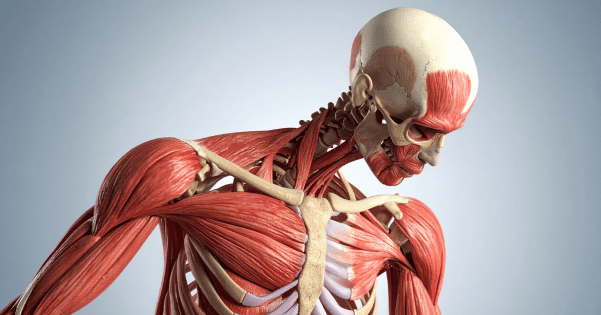
Gotratix is a muscle peptide bioregulator, a short-peptide complex derived from muscle tissue and designated A-18 in the Khavinson bioregulator system. It’s studied for one job in particular: supporting the muscle tissue that naturally becomes harder to maintain with age.
If you’ve seen Gotratix described as a way to “rebuild” muscle or reverse aging, that’s overreach. What the peptide-bioregulator research points to is subtler and more interesting, and this guide separates what the science supports from what the marketing claims.
Key Takeaways

The Short Version
Gotratix is the A-18 muscle peptide bioregulator, a muscle-derived short-peptide complex from the Khavinson research tradition.
Peptide bioregulators are studied as signaling molecules that influence gene expression inside cells, not as drugs that force a response.
Direct human trials on Gotratix are limited, so its rationale rests on the broader short-peptide research plus what we know about muscle aging.
Muscle preservation still runs on proven levers first, resistance training and adequate protein, with a bioregulator as a supporting piece.

What Is the Gotratix Peptide?

Gotratix is a peptide bioregulator built from a muscle-tissue peptide complex, catalogued as A-18. It belongs to a family of short-peptide preparations developed through decades of Russian gerontology research led by Professor Vladimir Khavinson at the St. Petersburg Institute of Bioregulation and Gerontology.
Each bioregulator in this system is matched to a specific tissue. Gotratix is the muscle one. The idea behind the category is tissue specificity: a peptide sourced from muscle is studied for muscle, a peptide sourced from cartilage for cartilage, and so on.
These aren’t the injectable “research peptides” people often picture. Gotratix is an oral capsule. BioMuscle, our A-18 muscle peptide bioregulator, delivers a 40 mg peptide complex per capsule and sits alongside the rest of our peptide bioregulator collection.
How Gotratix Works as a Muscle Peptide Bioregulator

Peptide bioregulators are studied as signaling molecules that work at the level of gene expression rather than as compounds that push a single hormonal lever. The proposed mechanism is that very short peptides can enter cells and influence which genes are read and translated into protein.
That mechanism comes from the wider short-peptide research program, not from Gotratix alone. In cell-based research, short peptides have been shown to cross the cell and nuclear membranes and interact with DNA and histone proteins to regulate gene expression, including genes tied to cell differentiation, as described in a review of peptide regulation of cell differentiation and a systematic review of peptide regulation of gene expression. This is mechanistic and preclinical work on the peptide class, not a muscle outcome measured in people.
One detail is worth knowing because it’s relevant to muscle. In a human cell-culture aging model, several short peptides increased expression of the IGF1 gene, a signal involved in growth and tissue maintenance. That’s a promising cell-level finding, and it’s a fair description of why the category is being studied, as long as it isn’t dressed up as a proven result in human muscle.
If the bioregulator concept is new to you, our primer on how peptide bioregulators work walks through the signaling idea in plain language.
Why Muscle Changes With Age
Muscle is a use-it-or-lose-it tissue, and the losing tends to start earlier than people expect. Skeletal muscle mass declines from around middle age at roughly 1% per year, and in severe cases can fall by close to half by the eighth or ninth decade, according to a review of age-related muscle loss.
The drivers are well mapped. Aging muscle develops “anabolic resistance,” a blunted response to the normal cues, food and movement, that would otherwise trigger muscle protein synthesis.
Several other mechanisms stack on top. A review of primary sarcopenia describes fewer and less active muscle satellite cells, rising oxidative stress and inflammation, and mitochondrial changes, all tilting the balance toward protein breakdown over synthesis.
Here’s the honest anchor for anything in this category. A 2024 review of aging skeletal muscle concluded that while several drug and cell-therapy approaches are in trials, the only evidence-based intervention for humans today is exercise. Any peptide belongs in that context, not above it.
What the Research Actually Shows on Gotratix
Direct clinical evidence on Gotratix specifically is thin, and the trustworthy move is to say so. Most of what’s published sits at the mechanistic and preclinical tier: research on the short-peptide class and its effects on gene expression in cells, rather than randomized trials measuring strength or muscle mass in people taking Gotratix.
That places Gotratix in the “promising and worth watching” category, supported by a coherent mechanism and a long research lineage, but not yet by human outcome trials on the product itself. Here’s how the tiers break down.
| Evidence tier | What exists for Gotratix / muscle bioregulators |
|---|---|
| Human RCTs on Gotratix | Not established in the accessible literature |
| Mechanistic / cell-based peptide research | Short peptides influence gene expression and differentiation in cell studies |
| Human muscle-aging science | Strong and well replicated, and it frames where a bioregulator fits |
This is exactly why evidence tiering matters. A compound can be mechanistically interesting and still be early, and you deserve to know which is which before you buy.
Gotratix and the Proven Levers for Muscle
The fastest way to protect muscle isn’t found on a supplement label, and any honest muscle article has to lead with that. In a one-year randomized controlled trial in healthy older adults, heavy resistance training paired with whey protein was the only arm that both preserved muscle size and increased strength. Protein supplementation on its own, without training, didn’t move muscle mass or strength.
That result sets the priority order. Resistance training does the heavy lifting, adequate protein supports it, and everything else is a supporting cast. It also matches the broader conclusion that exercise remains the evidence-based intervention for aging muscle.
A muscle peptide bioregulator like Gotratix is best framed as one of those supporting pieces, layered onto training and protein rather than standing in for them. For people building a broader routine, muscle rarely works in isolation, which is why joint and connective tissue support such as our cartilage peptide bioregulator and a recovery support formula often sit in the same stack.
What to Look For in a Gotratix Supplement
Quality is where an advanced peptide supplement is won or lost, because you can’t judge a peptide complex by looking at the capsule. Three things matter most.
- Third-party testing and a Certificate of Analysis. A real COA confirms identity and purity for the batch you’re taking, not a generic claim on the label.
- A stated peptide amount. You want the milligram amount of the peptide complex per capsule disclosed, not hidden inside a proprietary blend.
- Clear sourcing and manufacturing standards. Look for transparent sourcing and manufacturing to consistent quality standards.
BioMuscle is built to that standard: a disclosed 40 mg A-18 peptide complex per capsule, third-party tested, with quality documentation you can verify rather than take on faith.
How to Use Gotratix
Peptide bioregulators are typically taken in short courses rather than continuously. A common pattern is a 30-day course, repeated a few times a year, with capsules taken before meals. Course-based use, rather than daily-forever dosing, is standard for the category.
One safety point, stated once. Gotratix is generally positioned for adults and is not intended for use during pregnancy or breastfeeding, and anyone taking medication or managing a health condition should clear it with a clinician first. Pair any peptide course with the levers that actually build muscle, resistance training and sufficient protein, so the supporting piece has something to support.
Frequently Asked Questions
Is Gotratix the same as an injectable peptide like BPC-157?
No. Gotratix is an oral muscle peptide bioregulator, a short-peptide complex studied for gene-level signaling. It’s a different category from injectable single peptides and is used in short oral courses.
Does Gotratix build muscle on its own?
There’s no human trial showing Gotratix builds muscle by itself. The strongest evidence for muscle preservation points to resistance training plus adequate protein, with a bioregulator best used as a supporting piece rather than a standalone.
How long does it take to notice anything from Gotratix?
Because bioregulators are used in courses and act as signaling support, they’re not fast-acting stimulants. Any benefit is expected to build gradually over a course and alongside training and nutrition, not overnight.
Is Gotratix a steroid or a hormone?
No. Gotratix is a peptide complex, not an anabolic steroid or a hormone. Its proposed action is gene-expression signaling within muscle tissue, a different mechanism from forcing a hormonal response.
Who might consider a muscle peptide bioregulator?
Adults focused on maintaining muscle and mobility with age, and active people looking to support recovery, are the typical audience. Anyone pregnant, nursing, on medication, or managing a condition should speak with a clinician first.
Ready to add targeted muscle support to a training-and-protein foundation? Explore BioMuscle, the A-18 muscle peptide bioregulator, third-party tested with a verifiable Certificate of Analysis and a disclosed peptide amount per capsule.
Ask a qualified clinician before starting any supplement if you are pregnant, nursing, taking medication, or managing a medical condition.
These statements have not been evaluated by the Food and Drug Administration. This product is not intended to diagnose, treat, cure, or prevent any disease.
References
- Khavinson V, Linkova N, Diatlova A, Trofimova S. Peptide Regulation of Cell Differentiation. Stem Cell Rev Rep. 2020;16(1):118-125. DOI
- Khavinson VK, Popovich IG, Linkova NS, Mironova ES, Ilina AR. Peptide Regulation of Gene Expression: A Systematic Review. Molecules. 2021;26(22):7053. DOI
- Ashapkin V, Khavinson V, Shilovsky G, Linkova N, Vanuyshin B. Gene expression in human mesenchymal stem cell aging cultures: modulation by short peptides. Mol Biol Rep. 2020;47(6):4323-4329. DOI
- Wilkinson DJ, Piasecki M, Atherton PJ. The age-related loss of skeletal muscle mass and function: Measurement and physiology of muscle fibre atrophy and muscle fibre loss in humans. Ageing Res Rev. 2018;47:123-132. DOI
- Nishikawa H, Fukunishi S, Asai A, Yokohama K, Nishiguchi S, Higuchi K. Pathophysiology and mechanisms of primary sarcopenia (Review). Int J Mol Med. 2021;48(2):156. DOI
- Gustafsson T, Ulfhake B. Aging Skeletal Muscles: What Are the Mechanisms of Age-Related Loss of Strength and Muscle Mass, and Can We Impede Its Development and Progression? Int J Mol Sci. 2024;25(20):10932. DOI
- Mertz KH, Reitelseder S, Bechshoeft R, et al. The effect of daily protein supplementation, with or without resistance training for 1 year, on muscle size, strength, and function in healthy older adults: A randomized controlled trial. Am J Clin Nutr. 2021;113(4):790-800. DOI