Abstract
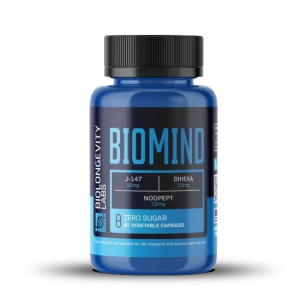
Noopept (N-phenylacetyl-L-prolylglycine ethyl ester) is a synthetic dipeptide with nootropic and neuroprotective properties. This article explores Noopept’s mechanisms in modulating neurotransmission and providing neuroprotection, drawing from various studies. Key findings include its influence on neurotransmitter systems, enhancement of neurotrophic factors, and protective effects against neurotoxicity.(PubMed)
Introduction
Cognitive decline and neurodegenerative diseases pose significant challenges to public health. Noopept has garnered attention for its potential cognitive-enhancing and neuroprotective effects. Understanding its mechanisms can inform therapeutic strategies for neurological conditions.
Mechanisms of Neurotransmission Modulation
- Enhancement of Inhibitory Synaptic Transmission Noopept has been shown to enhance inhibitory synaptic transmission in the hippocampus. Application of Noopept on hippocampal slices from Wistar rats increased the inhibitory component of total current induced by stimulation of Schaffer collaterals in CA1 pyramidal neurons, without affecting the excitatory component. This suggests a strengthening of GABAergic transmission, which may underlie its anxiolytic effects .
- Interaction with Cholinergic Systems Noopept’s effects on cholinergic neurotransmission have been explored in models involving cholinergic receptor blockade. In a study using a conditioned passive avoidance response model, cholinoceptor antagonists scopolamine and mecamylamine impaired memory performance. Noopept administration counteracted these effects, improving spatial preference and suggesting its role in modulating cholinergic pathways .
- Modulation of Neurotransmitter Amino Acids In vivo microdialysis studies have assessed Noopept’s impact on neurotransmitter amino acids in the hippocampus. Acute administration of Noopept in intact rats led to significant increases in excitatory amino acids (aspartate and glutamate) and the inhibitory amino acid glycine. However, these effects were not observed in rats with prolonged ethanol exposure, indicating that Noopept’s modulatory effects may be context-dependent .
Neuroprotective Effects
- Protection Against Glutamate-Induced Neurotoxicity Glutamate excitotoxicity is a common pathway leading to neuronal damage. Noopept has demonstrated protective effects against glutamate-induced toxicity in hippocampal HT-22 neurons. Pre- and post-treatment with Noopept improved neuronal survival in a concentration-dependent manner, highlighting its potential in mitigating excitotoxic damage .
- Reduction of Ischemic Brain Damage In models of cerebral ischemia induced by middle cerebral artery occlusion, Noopept administration significantly reduced the extent of cortical infarction. This suggests its efficacy in protecting brain tissue from ischemic injury, potentially through mechanisms involving antioxidant activity and modulation of stress-related kinases .
- Modulation of Stress-Induced Kinases and Neurotrophic Factors Chronic administration of Noopept has been associated with decreased activity of stress-activated protein kinases (SAPK/JNK and pERK1/2) in the hippocampus. Concurrently, it increases the expression of neurotrophic factors such as brain-derived neurotrophic factor (BDNF) and nerve growth factor (NGF), which are crucial for neuronal survival and plasticity .
- Enhancement of Neurotrophic Factor Expression Further studies have confirmed Noopept’s ability to stimulate the expression of BDNF and NGF in the hippocampus. Both acute and chronic treatments led to increased mRNA levels of these neurotrophins, suggesting a role in promoting neuronal health and cognitive function .
Clinical Implications and Future Directions
The multifaceted actions of Noopept on neurotransmission and neuroprotection position it as a promising candidate for addressing cognitive impairments and neurodegenerative diseases. Its ability to modulate inhibitory and excitatory neurotransmission, protect against neurotoxicity, and enhance neurotrophic support underscores its therapeutic potential. However, further clinical studies are necessary to fully elucidate its efficacy and safety profiles in human populations.
Conclusion
Noopept exhibits significant modulatory effects on neurotransmission and provides neuroprotective benefits through various mechanisms, including enhancement of inhibitory synaptic activity, interaction with cholinergic systems, protection against excitotoxicity, and upregulation of neurotrophic factors. These properties make it a compelling subject for continued research in the context of cognitive enhancement and neurodegenerative disease treatment.
References
- Ostrovskaya RU, et al. Dipeptide Piracetam Analogue Noopept Improves Viability of Hippocampal HT-22 Neurons in the Glutamate Toxicity Model. PubMed. 2016.(PubMed)
- Kondratenko RV, et al. Effect of nootropic dipeptide noopept on CA1 pyramidal neurons involves α7AChRs on interneurons in hippocampal slices from rat. ScienceDirect. 2022.(ScienceDirect)
- Ostrovskaia RU, et al. On the mechanism of noopept action: decrease in activity of stress-induced kinases and increase in expression of neurotrophines. PubMed. 2010.(PubMed)
- Ostrovskaia RU, et al. Noopept stimulates the expression of NGF and BDNF in rat hippocampus. PubMed. 2009.(PubMed)
- Kudrin VS, et al. Evaluation of Noopept Effect on the Neurotransmitter Amino Acids in the Hippocampus in Alcohol Drinking Rats Using in Vivo Microdialysis. Nejrohimiâ. 2024.(rjmseer.com)
- Ostrovskaia RU, et al. Original nootropic drug noopept prevents memory deficit in rats with muscarinic and nicotinic receptor blockade. PubMed. 2008.(PubMed)
- Ostrovskaia RU, et al. Neuroprotective activity of the proline-containing dipeptide noopept on the model of brain ischemia induced by the middle cerebral artery occlusion. PubMed. 2006.(PubMed)
- Vakhitova YV, et al. Molecular Mechanism Underlying the Action of Substituted Pro-Gly Dipeptide Noopept. Europe PMC. 2016.(PubMed)
Note: This article is a synthesis of findings from various studies and is intended for informational purposes. Further research and clinical trials are necessary to fully understand Noopept’s effects and therapeutic potential.